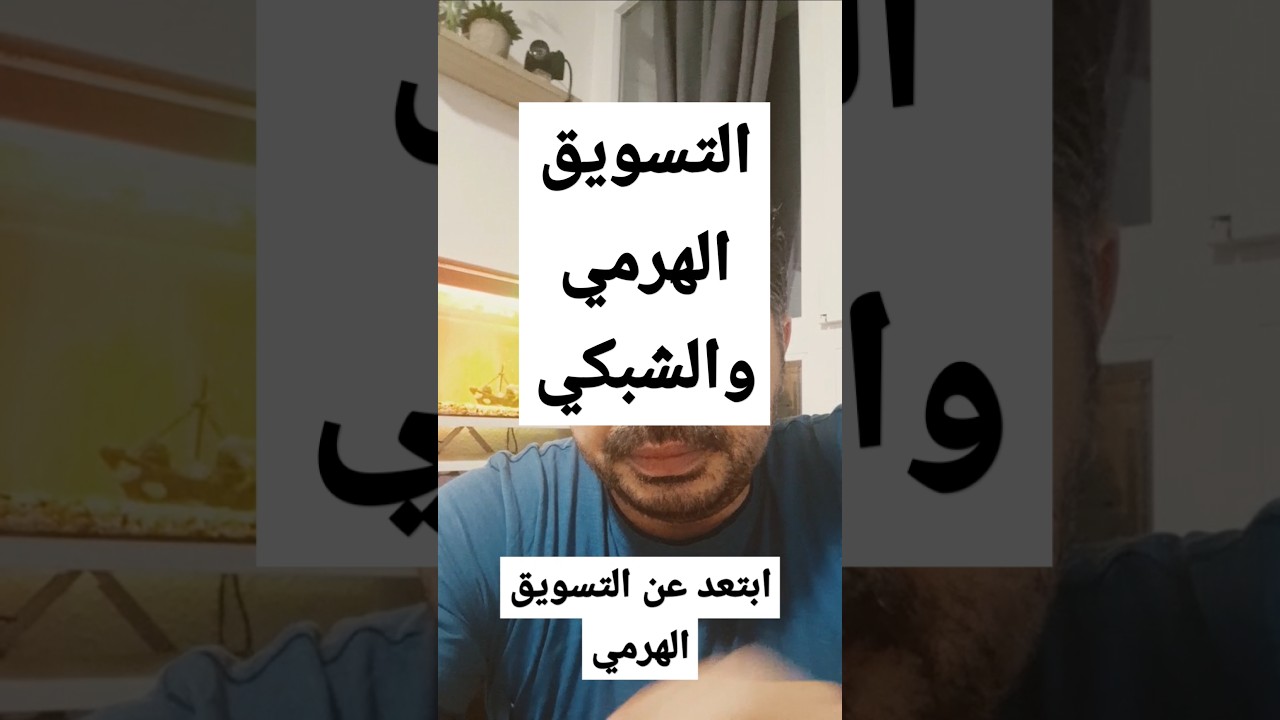
Beware of Pyramid Selling in Germany – How to Recognise It Before You Pay
An offer reaches you from a friend or a relative: work from home, income with no ceiling, no qualification and no experience needed, and nothing asked of you but "a small amount to begin with". That offer has a name in Germany and a place in the law, and whoever recognises it before paying saves both money and relationships.
The video is a short warning against this pattern. This page sets out at length what it states briefly: the signs that reveal such an offer, the questions that expose it in the first meeting, and what to do if you are already in.
Where does the line run?
Direct selling as such is an established activity in Germany: a company with a product, representatives who sell it to real customers, and income from the sales margin. A pyramid scheme inverts that: the main income comes from recruiting new members rather than from selling a product to a consumer, and the newcomer is asked to pay, or to buy stock, in order to start. At that point it is no longer trade but a transfer of money from later entrants to earlier ones — a structure that must collapse once new entrants stop arriving at the same rate.
Ten signs visible at the first meeting
- The promised income comes from recruiting people rather than selling goods to a customer
- You are asked to pay a sum or buy a "starter pack" before you have sold anything
- You are asked to keep stock at home, buying it first and selling it later
- Guaranteed income or profit figures are quoted with nothing in writing behind them
- Your decision is hurried: "the offer ends today"
- You are invited to an enthusiastic meeting instead of being given a contract to read at home
- There is more talk of "your team" and "your network" than of the product itself
- The product has no real customers outside the network
- You are told that anyone who doubts is "negative" and does not understand
- There is no clear answer when you ask: how much does someone lose who leaves after a month?
Where this stands in German law
Progressive customer recruitment — promising a person a benefit in return for bringing in others who are promised the same — is a criminal offence under the German Act against Unfair Competition (UWG), section 16 subsection 2, punishable by imprisonment or a fine. The precise legal characterisation of an individual case is not something an article can settle, which is why the body to ask is the Verbraucherzentrale in your federal state, or a qualified lawyer.
Questions to ask before paying a single euro
- What share of a representative's income comes from selling the product to customers outside the network? Ask for a written figure
- What must I pay or buy in order to start, and is it refundable if I withdraw?
- Give me the contract to read at home — a refusal here is itself an answer
- What is the company's full name, commercial register entry and address in Germany?
- Do I need a Gewerbeanmeldung, and what are my tax obligations?
- How many people in my branch withdrew in the past year?
And if you are already in
Do not add new money in the hope of recovering the old — that is what deepens the loss more than anything else. Gather every paper, message and receipt you have, read the termination and withdrawal clauses in your contract, and put the matter to the Verbraucherzentrale in your state. If you have brought in relatives or friends, tell them what you have concluded — honesty here serves your relationship with them better than silence.
Common mistakes that delay a case
- Paying at the meeting itself, under the pressure of the enthusiasm
- Signing a contract that was never read calmly at home
- Recruiting relatives and friends before checking what the activity really is
- Buying stock in quantity on the strength of a verbal promise
- Neglecting the trade registration and the tax obligations
- Continuing to pay in order to recover what was paid
Frequently asked questions
Is all direct selling a pyramid scheme?
No. The distinction is whether the income comes from selling a product to real customers outside the network, or from recruiting new members.
I have paid money — can I get it back?
That depends on your contract and the circumstances. Put the papers to the Verbraucherzentrale in your state or to a lawyer; do not rely on an article to assess your legal position.
Do I need a trade registration for this activity?
Commercial activity in Germany generally requires a Gewerbeanmeldung and carries tax obligations. Ask the Gewerbeamt in your town and a tax adviser before you begin.
My friend says he really did earn — is that not proof?
The earnings of the earliest entrants are the structure of the scheme, not an exception to it: their money comes from those who joined after them. The right question is not "did anyone earn?" but "how much did the rest lose?"
Please note: This is a general account of the subject, not legal advice. To assess your own case, consult the Verbraucherzentrale in your federal state or a qualified lawyer.
Watch the video
The video is on the OK+ channel on YouTube:
https://www.youtube.com/watch?v=_IfyoJjB2Sw
Also on OK+
A tool that shortens the road
The OK Plus DE app gathers German administrative calculators and form templates in one place, free, ad-free, in seven languages. Android and iPhone, from the same page:
Get the OK Plus DE app
Thank you! Your feedback helps us improve.
تابع قناة OK+ على واتساب
كل جديد عن الحياة في ألمانيا: الطلبات، والقوانين، والفرص — أولاً بأوّل.